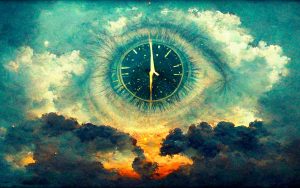
Living your normal life, you stumble upon a time travelling machine. Something straight out of a ‘Back to the Future’ movie.
This is no ordinary time machine though. It can only bring you to the hospital in which Hitler was born in, sleeping as a baby.
You have the chance to do something horrible but potentially end a lot of suffering. A smaller evil for a greater good.
Would you be able to do it?
The way people answer these hypothetical questions has always intrigued me. It teaches you a lot about a person’s morality, about how they handle emotions and logic and their ability to put themselves in different situations.
But I’ll start with how I would answer this question. No – I wouldn’t kill baby Hitler. Not because of the personal morality of murder, but because I believe in the butterfly effect. What if murdering baby Hitler leads to someone worse than him becoming the leader of Nazi Germany? My whole premise of justifying murder would be that it would lead to something better – but what if it doesn’t?
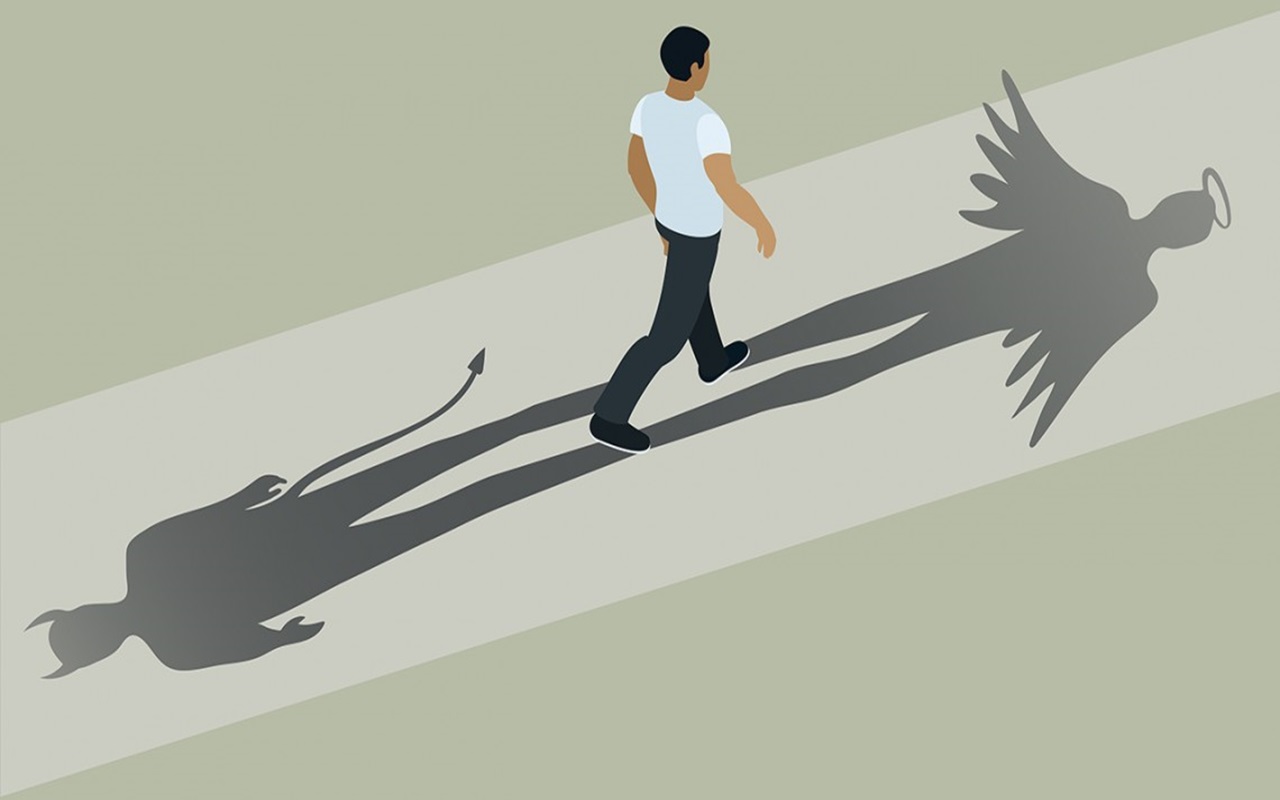
There are actually different moral view points that people can take, and most people mix and match between those moral standpoints depending on the situation.
One moral viewpoint is absolute morality or what I prefer to call individual morality. Individual morality is universal moral stances that do not change based on circumstances. An example of this would be “Murder is wrong”. “Stealing is bad”. If you believe in this type of morality, then murdering Hitler would be seen as immoral, even if the result is an overall better world.
Another type of morality is consequentialism. Consequentialism is judging an action based on it’s outcome. If the outcome is good, then the action is justified as moral and vice-versa. In this type of morality, you could justify murdering Hitler in that it would stop a world war where millions of people lose their lives.
A problem often associated with consequentialism is that nobody know the outcome of an action before it is done. For example, if I do something with the complete belief that it will lead to a better outcome, but it doesn’t, then have I been moral or not?
These 2 main types of morality is why the world will never agree on moral values. The answer is usually always in the middle. “It depends.”
What does that mean for me?
Do not let others guilt trip you into their own moral frame. The fact is, morality is complex and personal connection to a situation can influence whether we lean towards individual morality or a form of consequentialism. For example, a person may be 100% against killing others, and then someone threatens their family with a gun in their own home. At that point, many would not blame the person if they used self-defense, even if it led to the death of the infiltrator.
How do you decide your own morality? The simple answer is to decide a set of rules for certain situations and stick to it. You can change your moral views but try to do it before you get put in a situation where you have to make a decision. If you’ve watched horror movies, the worst thing you can do with a gun aimed at a bad guy is to be indecisive about whether you can pull the trigger or not.
if your moral choice is that you would not shoot a person even if they have infiltrated your own home, then at least you know your own limits and can decide on a different protective action quicker.
Morality is never black and white
When I was a teenager, there was a post in a forum about studying and university that asked the following question:
If there is a fire in your house, and you realise that your dog and a stranger are stuck inside and there is only enough time to save one of them, who would you save?
I was shocked to discover that about 50% of the people seriously chose to save their pet. They justified it in all ways – what if the person was bad. Why are they even in my house. What if the person is old etc. While I can understand that pets are like family, the pain all the relatives of that person would feel would overwhelm my own pain for losing my pet.
In my view, there is a moral choice to protect humans before animals. Not because humans are better than other animals, but because there tends to be more consequences to harming humans. While it has been proven that animals can mourn the death of family/tribal relatives, they do seem to be better at moving on. Humans on the other hand can have a long-lasting impact on a larger group of people.
However, I’m less shocked now about people choosing to save their pet than before. At the end of the day, we as humans have learned to ignore the death of many of our own species. It can be hypocritical to blame others for choosing their pet over other humans, when we completely disregard so many avoidable human deaths of strangers every day.