Most people avoid power not because they don’t want it, but because they can’t get it.
Real disinterest in power comes from either already having it, or having the option to have it, but choosing not to.
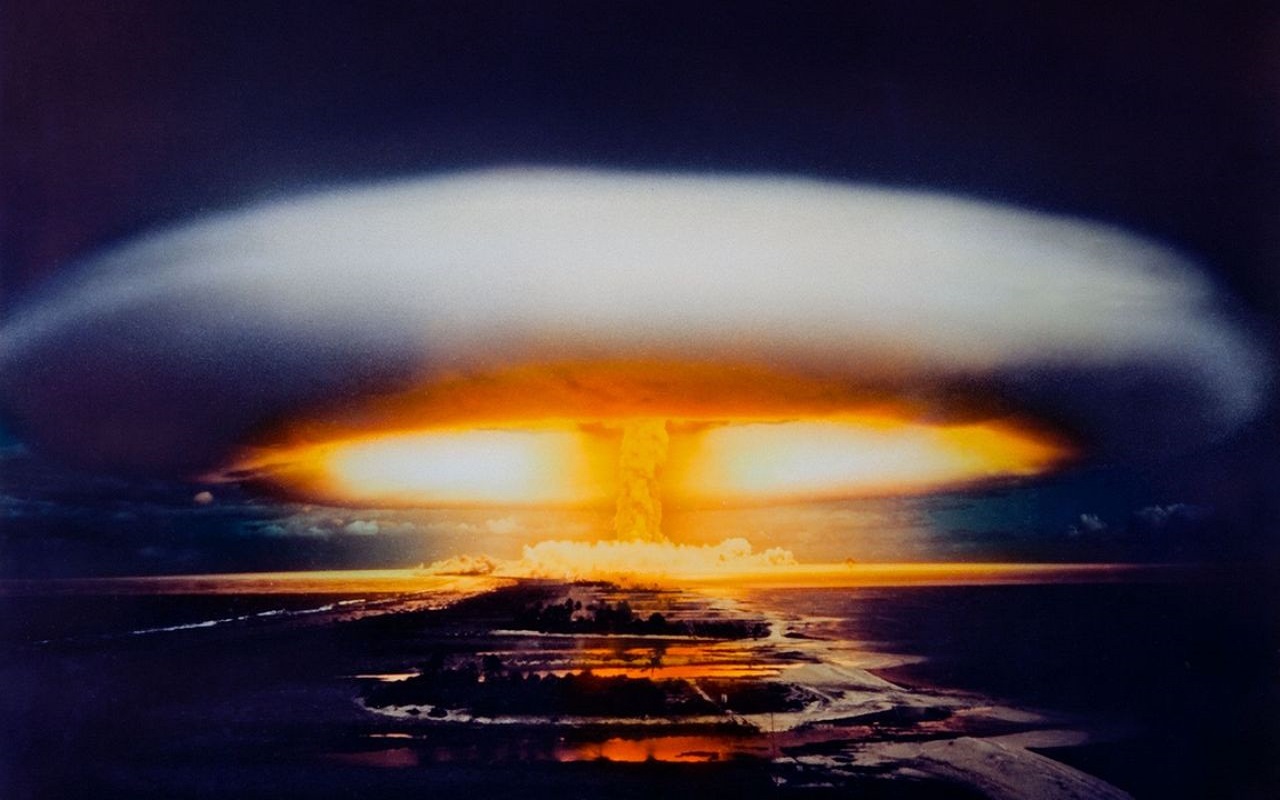
The movie Oppenheimer is a good depiction of the main motivators in life – getting what you want at all costs. You can see that the main characters at all stages did shady things to get what they desired. In the end, the only difference between those portrayed as having morality and those that do not, is not in the actions they did but in their integrity during those actions.
Being immoral with integrity is a power move. Why?
Because integrity is difficult. It is similar to beating someone in a fight while willingly only using one of your hands. This is why the summary of every post I do comes down to getting what you want with integrity. It encompasses all the elements that make someone charismatic and successful in anything they try. It’s having values, boundaries, and a goal which you do your best to accomplish.
Interestingly, no one in that movie had complete integrity. Some more than others, which is to suggest that humans are incapable of complete honesty. If fighting with integrity most of the time is the equivalent of fighting with one hand tied behind your back, fighting with 100% integrity is like being paralysed from the neck down.
Which brings an important question. How do you set the right level of integrity? There is no correct answer here because everyone’s experience on trust will be different. The simple method I suggest is to trust first and trust small. There is no shame in someone taking advantage of your trust but the price you pay should be against a reasonable level of risk. We all do this subconsciously, but some do it better than others.
For example, you probably wouldn’t trust a friend you met 6 months ago with lending them a big chunk of money. Yet, you would trust them to buy them a few rounds of beer at the bar. Now if they never reciprocate in the small gestures, it’s wise to limit your trust with them. The reason you trust first is because this will give you the upper hand in information. If you trust first and someone reciprocates, you can build on a positive relationship quicker. If on the other hand, they do not reciprocate, then you cannot confuse inaction with dishonesty. For example, if you do not trust first, are they also not trusting you first because of some ego problem or because they are dishonest?
There is never a guarantee that someone who has been honest for a long time will never turn their back against you. That’s an unavoidable risk. But if you at least have built up references for them being trustworthy, you can accept the loss with dignity. This is the reason for the quote “Everyone will hurt you, you just have to find those worth the pain” and most people do not have the strength to own up to their dishonesty. That’s a clear sign they are not worth it.
The irony is that a lot of the world runs smoothly because of the hiding of the truth. Nobody wants to know the evil things done in the background to maintain some level of peace. This is because some things need to be done, but if everyone knew about them, then they wouldn’t get done which would lead to an even worse outcome than if people are lied to. For example, people are all about stopping conflicts and the the negatives of colonisation until that means that they cannot afford the gas to put in their car to go do their hobbies. Until that means they no longer can afford the luxuries of life which was the very reason they have the free time to protest. Is there a better way for the world to be? Certainly. But we have not yet found it.
Human nature dictates that certain things are best done in secret. The issue I have with this is that we need to be better than our biological instincts. We have done well to avoid many negative natural behaviours and dishonesty is the next one that needs to go if we are to live in a world that is not plagued by conflict. This involves each of us being strong enough to accept that in the (not very short) short term, we would learn of and have to accept some atrocities.
The reason this will never happen? Most, if not all of us are not intelligent enough to get the whole picture. We suck at real life chess. The solution is either we need to become more intelligent as a species to be able to handle this level of thinking, or we need an intelligence source that can advise us.
This is where AI could shine. Imagine being able to simulate all possible interactions between two hostile nations and figuring out which one has the best outcome for both countries. The solution would very likely be non-violent and thus can prevent conflicts by simply removing the curiosity and ego tendencies that humans have.
Of course we are still many years away from having such an intelligent AI and the required amount of processing power, if one is even possible to be created. There is also the chance that such an AI could pose more problems than it solves, or be used to figure out the best outcome of one side to the complete detriment of the other. Only time can tell.
What does this instinctual chase of power mean for you now?
Recognise your own struggle for power and how it affects your life. If you think you are not someone who craves power, than you are unaware of the ways you are trying to gain it. There are many possibilities, from work, to friends, family, relationship, hobby groups, the internet, social media, wealth and so on.
Once you have the self-awareness of those power cravings, figure out if they help you or not. It’s healthy to seek power as long as it is not to your detriment. Some battles are better lost to win the war. Especially since with only limited time, you can only focus on a few struggles for power at a time, and if you choose a meaningless war, you are wasting resources.
When you have identified where you want to gain more power, you must lose the fear of responsibility. Power comes with responsibility and people want the benefits of power without the associated responsibility. Some avoid responsibility because they are immature, some have evil tendencies, others fear it. Those that fear responsibility often do so because they do not think they are worthy of it. This is a good sign that you are worthy. If you are capable to be impartial and be able to look at things beyond just what it means for you, then you are more likely to be just in the use of that power.
Finally, what does power actually mean? The ability to get what you want when you want it.